



Post Date:
Sep 28, 2026
|
Deals of the Week: September 21–27, Heavy Equipment Demand Across the Middle East and Africa
Deals of the Week: September 21–27, Heavy Equipment Demand Across the Middle East and Africa
Post Date:
Sep 28, 2026
|
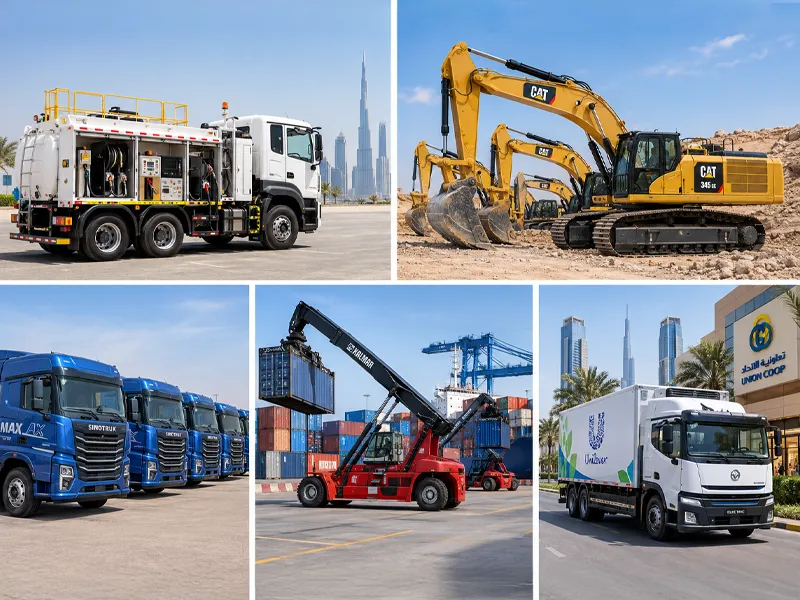
The latest equipment sales and deliveries highlighted by Plant & Equipment reflect continued demand across some of the region’s most active industries, from construction and earthmoving to road transportation, port logistics, fuel distribution and sustainable urban delivery. Recent transactions and deliveries span multiple markets, including Libya, Saudi Arabia, Egypt and the UAE, demonstrating how contractors, logistics operators, ports, distributors and major commercial fleets continue to invest in equipment that improves productivity, capacity and operational efficiency.
Excavators Support Construction Activity in Libya
 |
Earthmoving equipment remains a key requirement across North Africa, where infrastructure development, civil works, quarrying and construction projects depend heavily on high-capacity excavators.
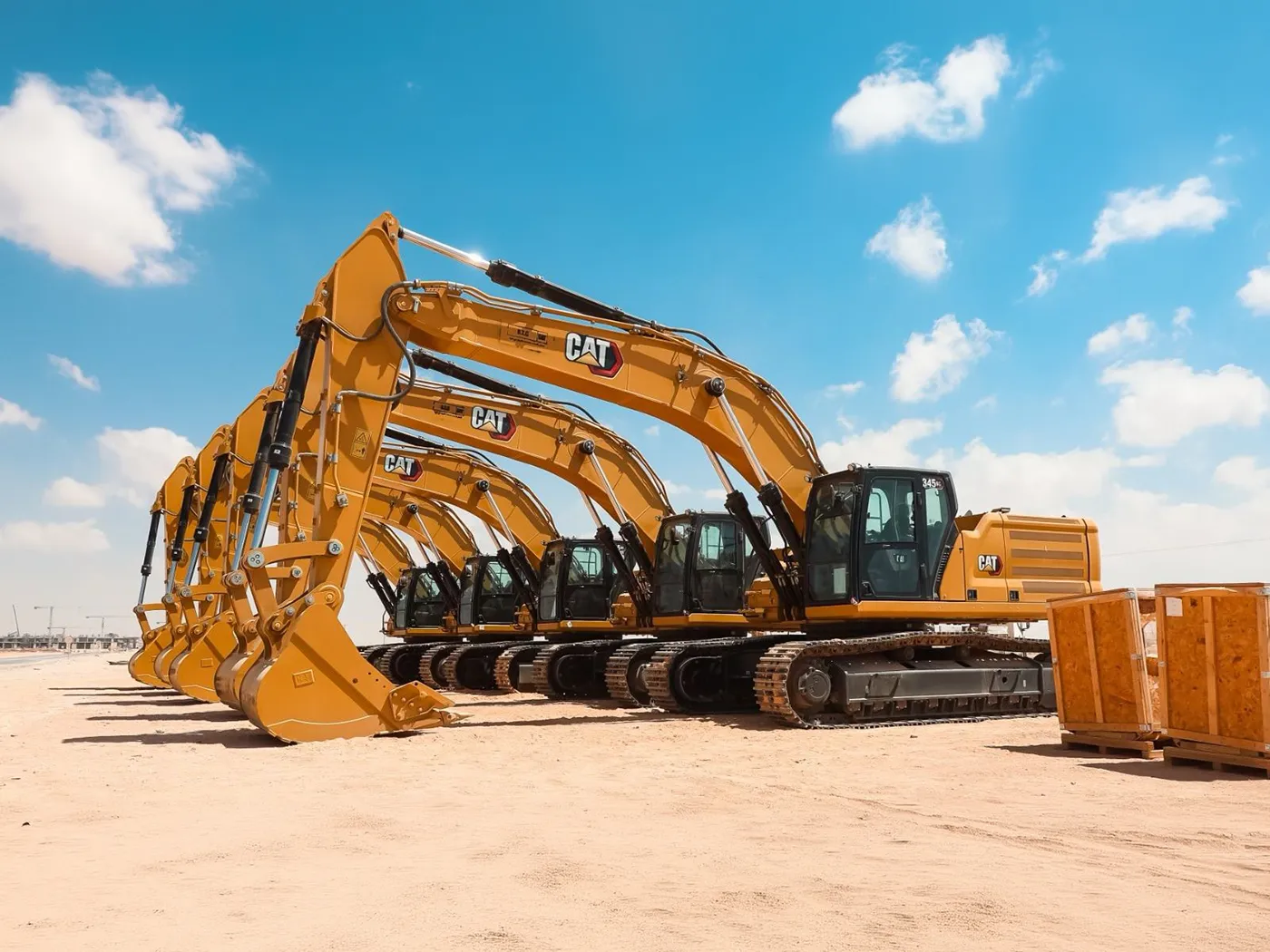
BTC’s delivery of five Cat 345 GC excavators in Libya highlights demand for large crawler excavators capable of handling demanding earthmoving applications. The Cat 345 GC is designed for heavy-duty excavation and material handling, making machines in this class suitable for large construction sites, infrastructure projects, quarrying and other applications requiring high digging performance and production capacity.
The delivery reflects the importance of reliable earthmoving equipment to contractors operating in challenging environments. Large excavators provide the combination of digging force, reach and productivity required for bulk excavation, site preparation and material loading. As infrastructure and construction activity develops across the region, demand for productive and durable excavators is expected to remain an important part of the heavy equipment market.
Read the full P&E report: BTC Delivers Five Cat 345 GC Excavators In Libya
Tractor Heads Meet Saudi Arabia’s Growing Transport Requirements
 |
Heavy-duty road transportation is another important area of equipment demand across the GCC. Saudi Arabia's large geography, expanding logistics networks and continued investment in infrastructure create strong requirements for tractor heads capable of moving freight efficiently over long distances.
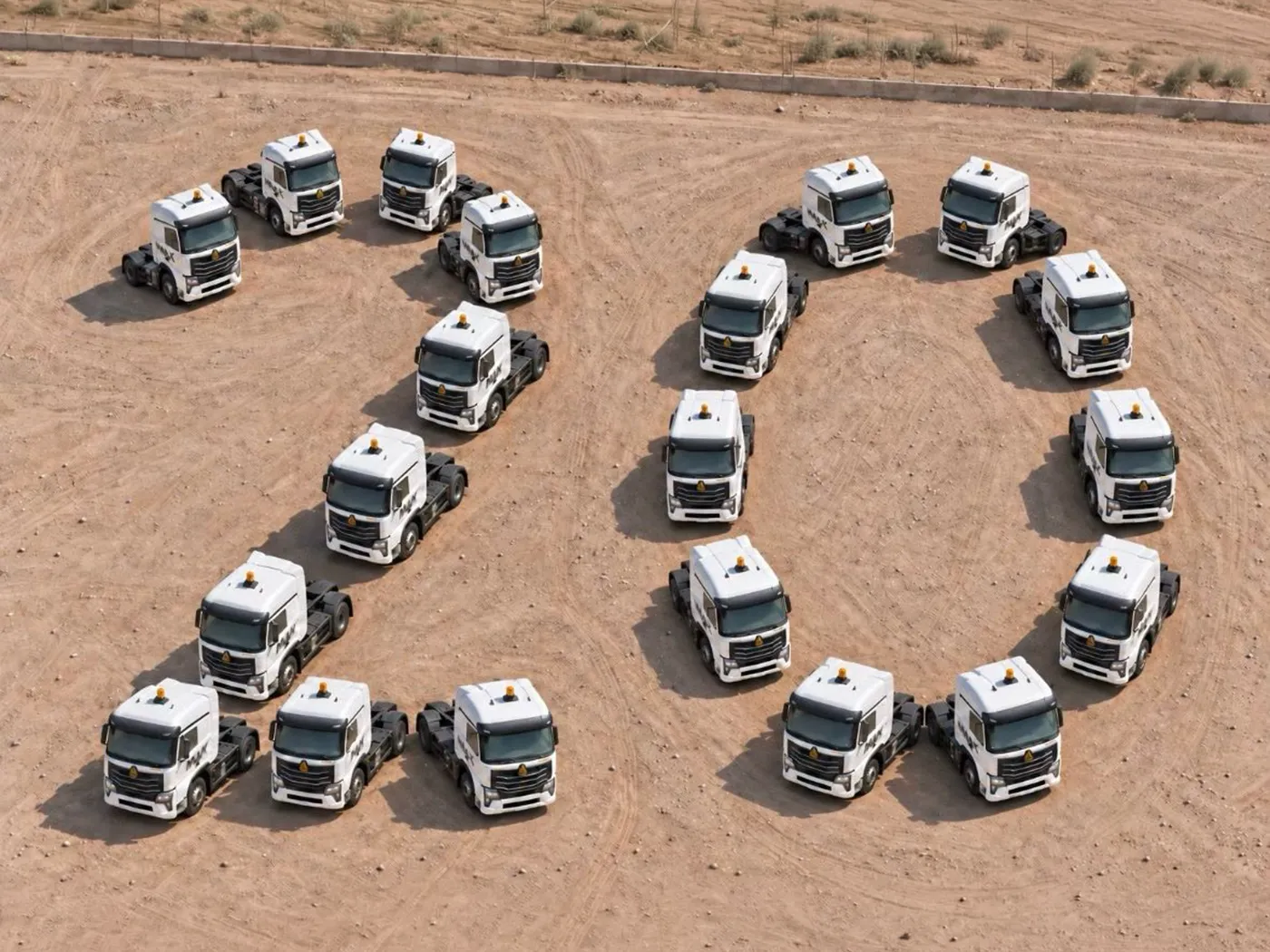
OMATRA’s delivery of 20 SINOTRUK MAX tractor heads in Saudi Arabia illustrates demand for commercial vehicles serving the country's road transport and logistics sectors. Tractor heads form the backbone of many heavy-haul and general freight operations, providing the power required to pull trailers carrying containers, construction materials, industrial goods and other cargo.
Fleet operators increasingly focus on vehicle reliability, operating costs, payload capability and uptime when expanding their fleets. Deliveries such as this therefore demonstrate not only demand for individual trucks, but also the broader requirement for scalable transportation capacity as regional trade, construction and logistics activity continues to develop.
Read the full P&E report: OMATRA Delivers 20 SINOTRUK MAX Tractor Heads In Saudi Arabia
Container Handling Equipment Supports Egypt’s Port Operations
 |
The movement of global trade depends on efficient ports and terminals, making container handling equipment an essential component of the logistics chain.
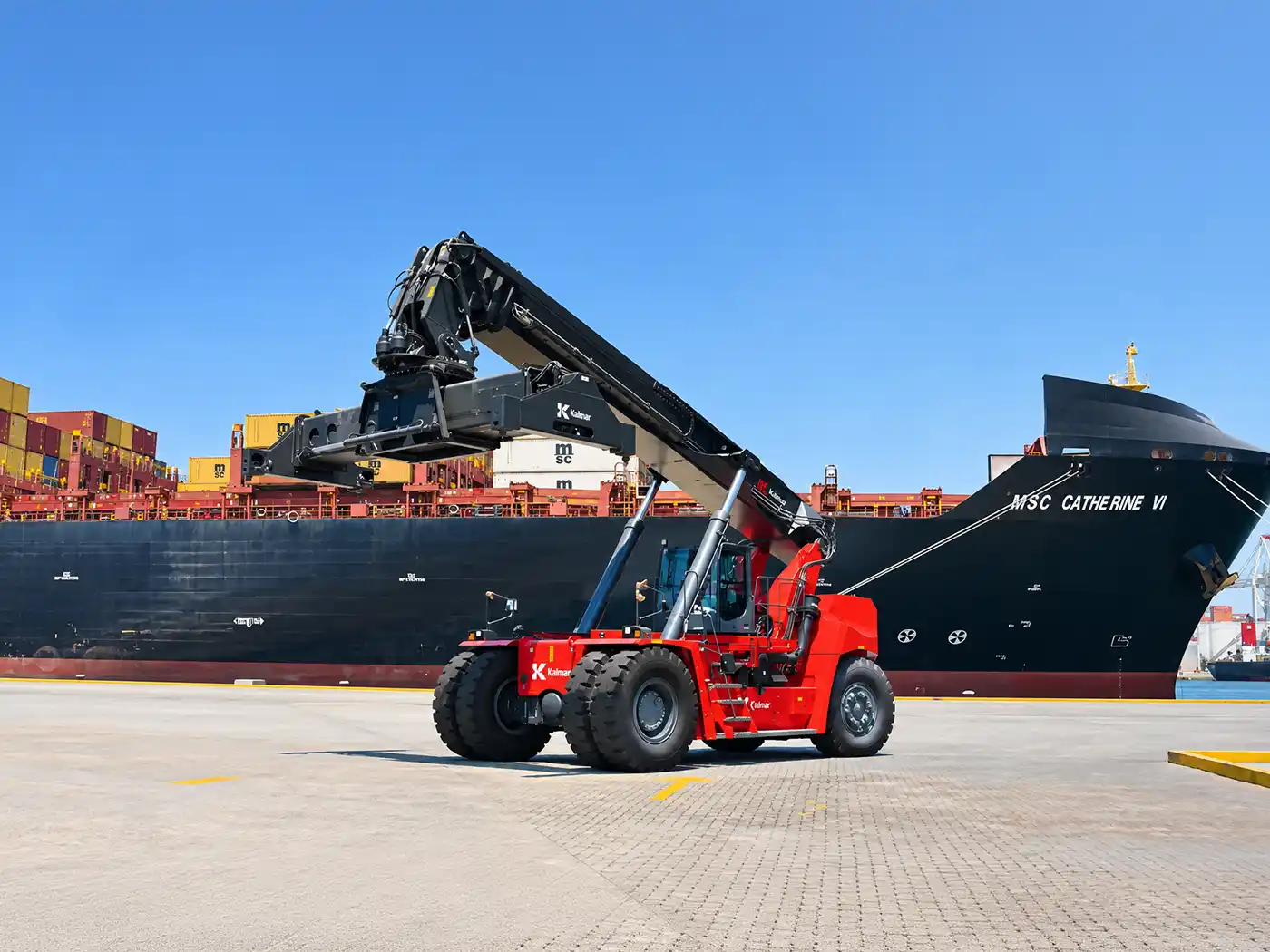
Kalmar's delivery of five container handling machines to Damietta Terminal in Egypt highlights investment in equipment designed to improve container movement and terminal productivity. The delivery, carried out with local partner Kabadaya Specialized Equipment, also included spare parts and operator training, supporting the equipment's operation and long-term performance.
Container handling machines play a critical role in moving containers between vessels, storage areas, trucks and other parts of a terminal. As shipping volumes and regional logistics networks evolve, ports require reliable material-handling equipment to reduce turnaround times and maintain consistent cargo flows.
Investment in modern handling equipment also goes beyond the machine itself. Operator training, spare parts availability and technical support are increasingly important considerations for terminal operators seeking to maintain high equipment availability and predictable operating performance.
Read the full P&E report: Kalmar Delivers Five Container Handling Machines To Damietta Terminal
Mobile Fuel Equipment Addresses On-Site Refuelling Demand
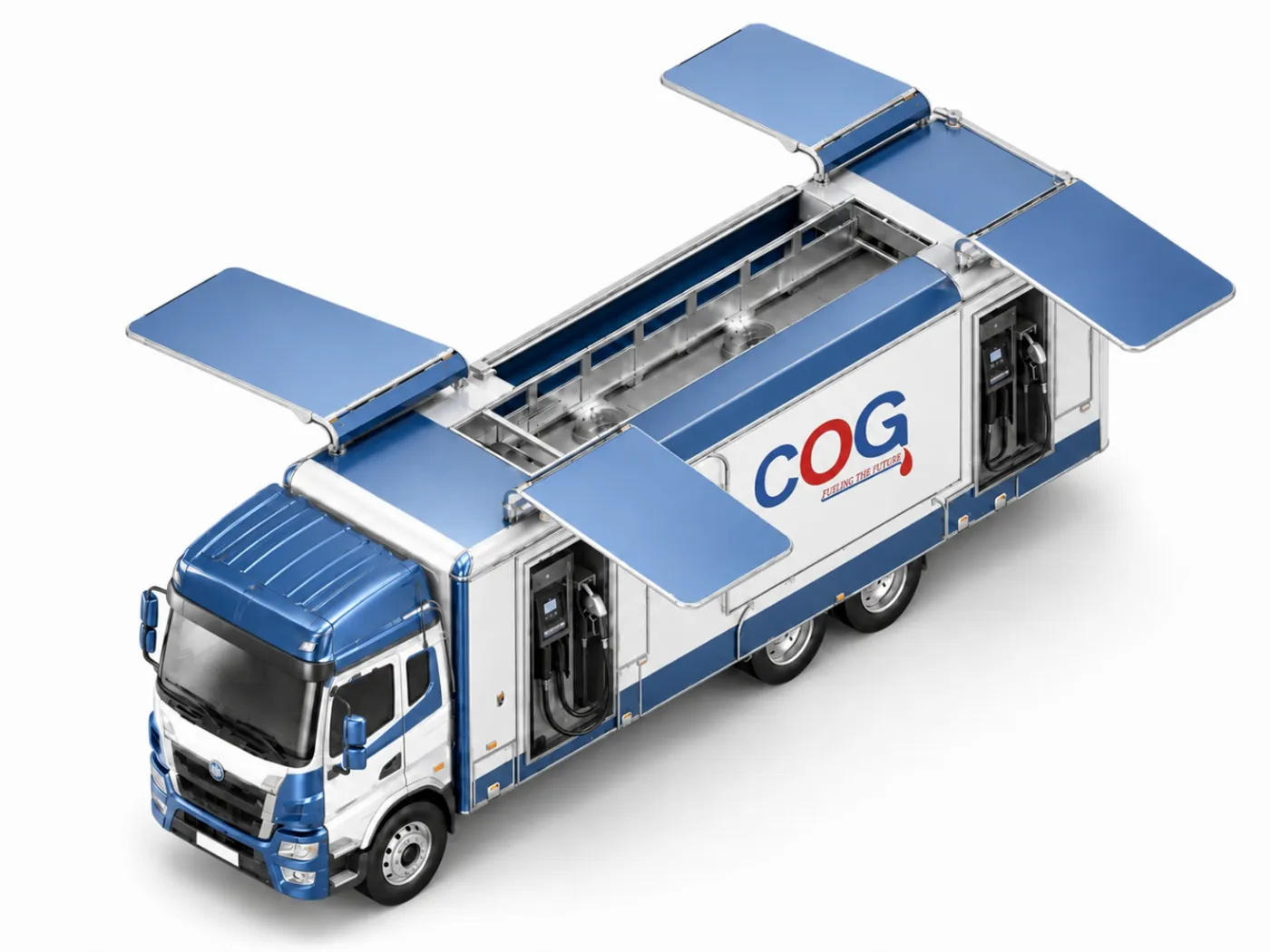 |
Fuel distribution is also evolving as construction companies, logistics operators, industrial businesses and commercial fleets look for more flexible ways to keep vehicles and machinery operating.
The growing interest in mobile fuel stations across the GCC reflects a wider shift toward bringing fuel directly to the point of consumption. Mobile fuel units can serve commercial fleets, construction equipment, generators, remote projects and industrial operations without requiring every vehicle or machine to travel to a conventional fuel station. The P&E-referenced report on the future of mobile fuel stations highlights this changing model and its potential applications across GCC markets.
For heavy equipment operators, on-site refuelling can be particularly valuable because moving excavators, loaders, trucks and other machinery away from a worksite solely to refuel can result in lost operating hours. Mobile systems can therefore form part of a broader fleet-management strategy focused on reducing downtime and improving fuel availability.
The concept is also developing alongside digital fleet management. Modern mobile fuelling solutions can incorporate fuel monitoring, metering and tracking technologies, allowing operators to better understand consumption and manage fuel distribution across multiple vehicles or locations.
Read the full P&E report: Future of Mobile Fuel Stations in GCC
Electric Trucks Expand in UAE Distribution Fleets
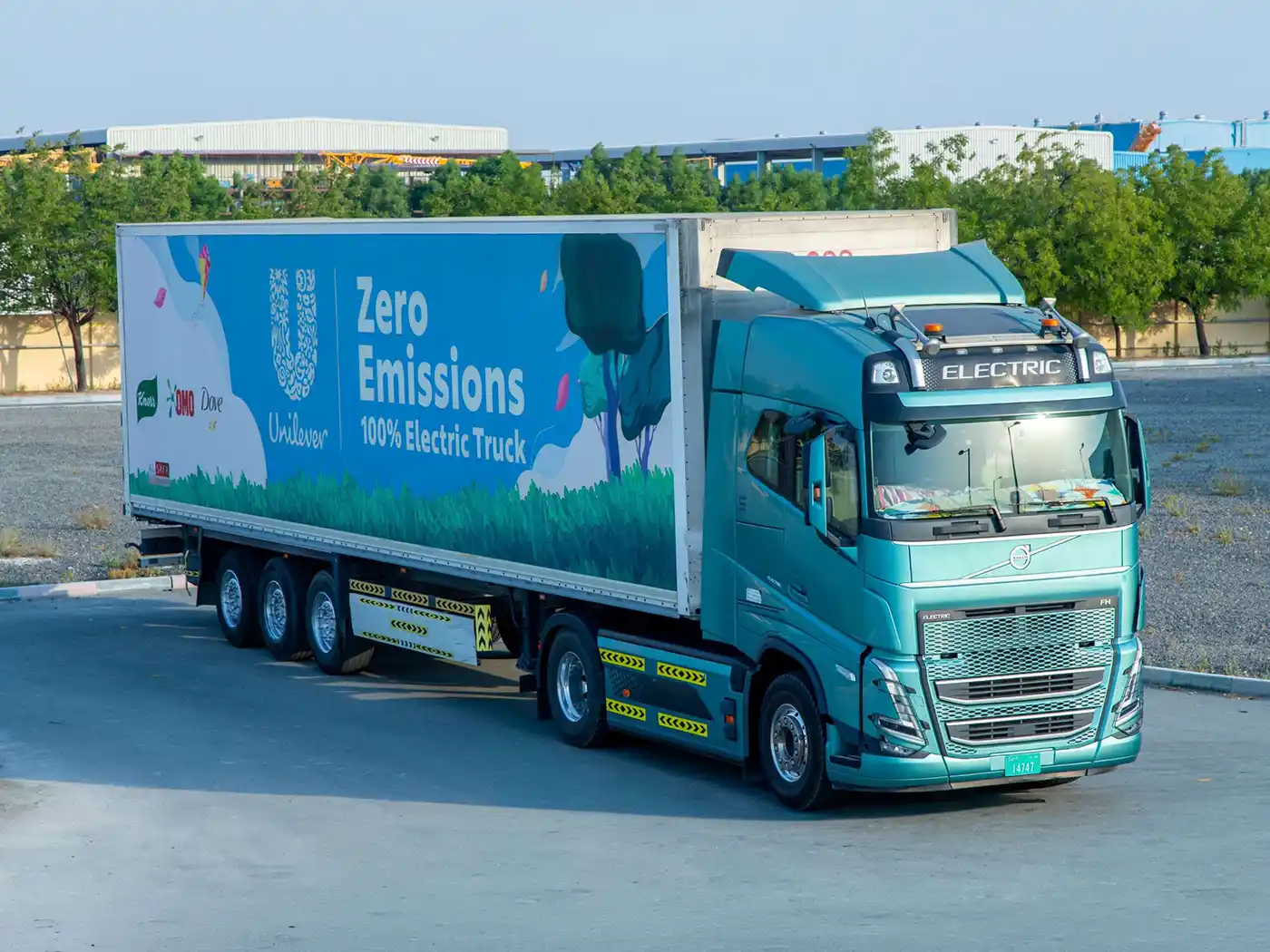 |
The UAE is also seeing continued development in the commercial vehicle sector as companies explore lower-emission transportation solutions for urban distribution.
Unilever's expansion of electric truck deliveries in the UAE with Union Coop demonstrates how electric commercial vehicles are increasingly being introduced into day-to-day distribution operations. Read the full P&E report
Electric trucks are particularly relevant to urban delivery applications, where vehicles typically operate on predictable routes and return to a depot or designated charging location. This operating pattern can make fleet electrification easier to manage than applications involving unpredictable long-distance travel.
For retailers and consumer-goods companies, the transition also reflects growing attention to fleet efficiency, operating costs and emissions. As charging infrastructure develops and more electric commercial vehicles enter the market, demand for electric trucks is expected to become an increasingly important part of the UAE's commercial transportation landscape.
A Diverse Regional Equipment Market
Taken together, these recent deliveries demonstrate the breadth of equipment demand across the Middle East and North Africa. Large excavators are supporting earthmoving and construction requirements in Libya, tractor heads are expanding heavy transportation capacity in Saudi Arabia, container handling machines are strengthening port operations in Egypt, while mobile fuelling solutions and electric trucks illustrate how commercial fleets are adapting to changing operational requirements in the GCC.
The equipment involved spans several different sectors, but the underlying requirement is similar: businesses need machines and vehicles that can increase productivity, reduce downtime and support increasingly complex operations.
For equipment suppliers and dealers, this creates opportunities across both traditional heavy machinery and emerging equipment categories. Construction and infrastructure projects continue to require excavators and other earthmoving machines, while logistics and trade support demand for trucks and port equipment. At the same time, fleet operators are increasingly evaluating alternative approaches to fuelling and vehicle electrification.
Demand Extends Across Multiple Equipment Categories
The latest sales and deliveries also demonstrate that equipment demand cannot be viewed through a single industry. Construction activity drives demand for excavators and other earthmoving machinery; logistics and freight transportation require tractor heads and commercial vehicles; ports depend on container handling equipment; and industrial and fleet operators require efficient fuelling solutions.
This diversification provides an important indication of the role heavy equipment plays across the regional economy. Equipment investment is closely connected to the expansion and modernization of infrastructure, trade, transportation and industrial operations.
As projects become more specialized and operators place greater emphasis on productivity, equipment selection is increasingly influenced by total operating requirements rather than simply machine capacity. Reliability, fuel or energy efficiency, after-sales support, operator training, spare parts and long-term availability all contribute to the value of an equipment investment.
Looking Ahead
Recent deliveries across Libya, Saudi Arabia, Egypt and the UAE highlight a regional market where equipment demand continues to evolve alongside construction, logistics, port operations, energy services and commercial distribution.
From 345-class excavators working on major earthmoving applications to tractor heads supporting freight movement, container handlers serving ports and electric trucks operating in urban distribution, the equipment market is becoming increasingly diverse.
For buyers, contractors, fleet operators and dealers, these completed deliveries provide a useful snapshot of where equipment is being deployed and the types of machines currently supporting business activity across the region. Continued investment in infrastructure, logistics capacity, port operations and more efficient fleet solutions will remain important drivers of equipment demand across the Middle East and Africa.